Health and Safety Policy for Carpet Cleaning E9
 This health and safety policy sets out the standards followed by Carpetcleaning E9 to protect customers, staff, visitors, and property during every carpet cleaning appointment. Our approach is built around safe working practices, careful planning, and the consistent use of suitable equipment and products. We aim to deliver a high-quality carpet cleaning service while keeping risks as low as reasonably possible.
We recognise that safety is central to reliable cleaning work. Carpet cleaning often involves water, electricity, moving equipment, chemical solutions, and contact with household furnishings. Because of this, our team carries out each task with attention to detail, checking conditions before work begins and adapting the method where necessary. This policy applies to all carpet cleaning activity, including stain treatment, deep extraction, drying procedures, and post-cleaning inspection.
 All employees and contractors are expected to understand and follow this policy. Management is responsible for providing suitable training, supervision, and equipment, while each worker must take reasonable care of themselves and others. A safe working culture depends on shared responsibility, clear communication, and the prompt reporting of hazards, incidents, or damaged equipment.
The main risks associated with carpet cleaning services include slips and falls, trips caused by hoses or cables, skin irritation from cleaning products, strain from lifting machinery, and electrical hazards linked to wet environments. To reduce these risks, work areas are assessed before cleaning begins. Loose items are moved carefully, access routes are kept clear, and the correct warning measures are used where floors may remain damp.
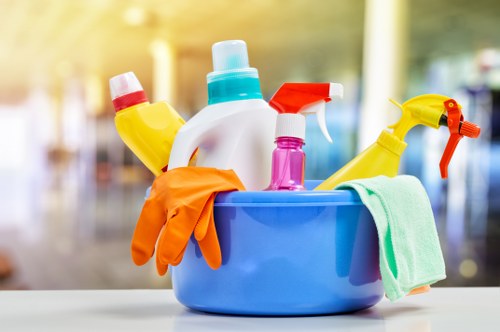
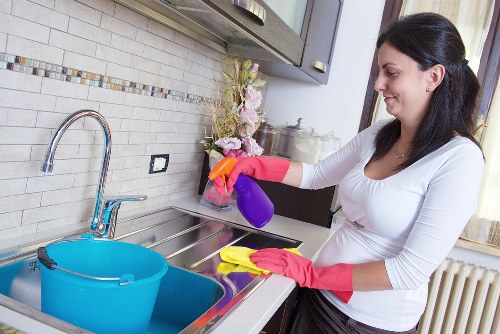
Cleaning agents are selected for effectiveness and safe use. Products are stored correctly, labelled properly, and handled in line with manufacturer instructions. Staff are trained to use the right dilution ratios and to avoid unnecessary exposure. Where possible, low-odour and reduced-risk formulations are preferred. Gloves or other suitable protective items are used when handling chemicals, especially during stain removal or spot treatment.
 Electrical equipment is checked before use, including plugs, leads, and sockets. Machines are never operated with visible damage, and wet hands are kept away from electrical fittings. Equipment is positioned to avoid overloading circuits and to reduce the chance of trailing cables causing a trip hazard. If a problem is identified, the item is taken out of service immediately until it has been inspected and cleared for safe use.
Manual handling is another important part of the carpet cleaning policy. Machines, solution containers, and other items can be heavy or awkward to carry. Staff are advised to use correct lifting techniques, break tasks into smaller movements where appropriate, and ask for assistance if an item is too bulky or difficult to move safely. Repetitive strain is reduced by rotating tasks and allowing reasonable working breaks.
Where upholstery or furniture needs to be moved, care is taken to prevent damage and injury. Items are lifted rather than dragged whenever possible, and protective pads may be used to reduce marking on floors. The condition of the property is respected at all times, and cleaners work in a tidy manner to avoid leaving hazards behind. This careful approach supports a safe carpet cleaning process from start to finish.
Ventilation is also considered during cleaning work, particularly when products are in use or drying times are extended. Doors or windows may be opened where suitable, and airflow is encouraged to help reduce moisture and odour build-up. Staff monitor surfaces so that areas do not remain excessively wet, which helps lower the risk of slips and limits the chance of mould growth after the work is complete.
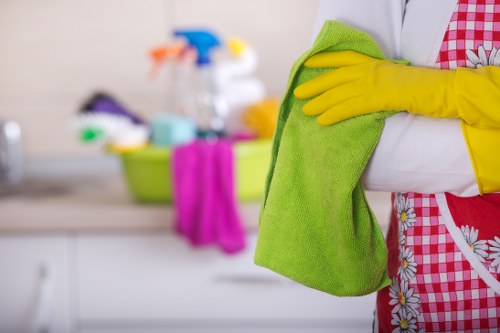 Personal protective equipment is used according to the task being carried out. This may include gloves, protective footwear, eye protection, or other suitable items. PPE is not treated as a substitute for good working practice; rather, it is one part of a wider safety system that includes planning, training, housekeeping, and equipment maintenance. Staff are expected to use PPE correctly and replace it when worn or damaged.
Accidents, near misses, and unsafe conditions are reviewed so that improvements can be made. Any spillages are cleaned quickly, and warning signs are used where required until surfaces are dry and safe to walk on. If a customer or worker feels unwell, work is paused and appropriate support is arranged. Record keeping helps identify recurring risks and supports ongoing improvement in our carpet care health and safety standards.
Young children, pets, and vulnerable individuals are considered when planning each job. Chemical containers are kept out of reach, work zones are managed carefully, and equipment is never left unattended in a way that could cause harm. The aim is to complete every task without disruption while maintaining a secure environment for everyone present.
 Management reviews this policy regularly to ensure it remains suitable and effective. Updates may be made following changes in equipment, working methods, product information, or operational needs. Staff are informed of any revisions and are expected to apply them immediately. Through consistent training, supervision, and attention to hazards, Carpetcleaning E9 maintains a practical and responsible approach to carpet cleaning safety.
Ultimately, this policy reflects our commitment to carrying out every carpet cleaning task with professionalism, care, and respect for health and safety. By following safe procedures, using appropriate materials, and maintaining awareness of risks, we protect people and property while delivering dependable results.